Notes from the Wings/Producer
Broadway Ancillary Income: Maximizing Revenue Beyond the Box Office
How producers leverage touring, licensing, and media rights to drive recoupment and long-term profitability.

Broadway ancillary income refers to all revenue a theatrical production generates outside of its primary ticket sales at its home Broadway venue. This includes secondary streams such as national tours, international sit-down productions in cities like London or Tokyo, amateur and professional licensing through houses like Music Theatre International (MTI), and royalties from cast albums or merchandise sales. Producers rely on these diversified channels to accelerate the timeline for reaching recoupment, ensuring that investors see a return on their capitalization even if the initial New York run has thin margins.
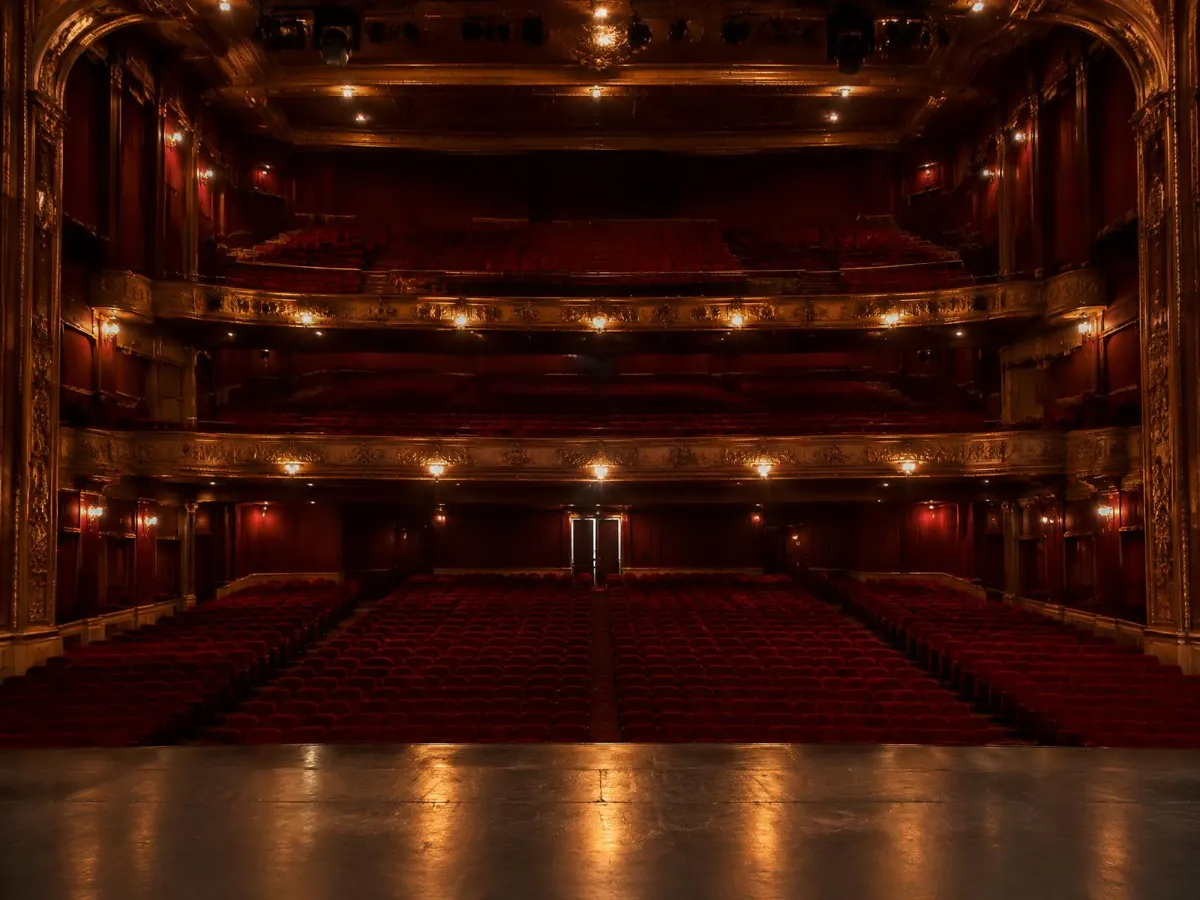
Sitting in the back of the back row at the Majestic Theatre during the final weeks of a long-running show’s tenure, I watched the audience more than the stage. It wasn't just about the bodies in seats tonight; it was about the brand equity being built for every high school performance and regional production that would follow for the next thirty years. As a member of the creative team or the lead producing body, you quickly realize that the Broadway house is often the laboratory and the billboard, but the world is the marketplace. When I look at the financial health of a production, I am looking at the 'waterfall'—the sequence in which money flows back from every corner of the globe to the original LLC.
The Touring Engine: Moving the Brand Across North America
The most significant source of Broadway ancillary income is typically the North American tour. A successful tour can often be more profitable than the Broadway engagement because the costs are managed differently. On Broadway, we are beholden to the high overhead of a New York house and the union requirements specific to the city. On the road, while the logistics are intensive, the show taps into subscription bases in cities like Chicago, Los Angeles, and Des Moines, where the appetite for 'Direct from Broadway' content remains massive.
When we structured the deals for productions I’ve been involved in, like the recent revival of 'Funny Girl' or 'The Outsiders', the conversation about the tour started long before opening night. Producers must decide whether to self-produce the tour or license the rights to a touring company like NETworks Presentations or Troika Entertainment. Taking the risk ourselves means keeping a higher percentage of the profits, but it requires substantial additional capital. Licensing the rights provides a guaranteed royalty and a share of the profits without the same level of capital risk.
Global Licensing and Amateur Rights
For many shows, the 'long tail' of revenue comes from licensing the intellectual property to regional theaters, colleges, and high schools. This is where a show becomes a perennial asset. According to the Broadway League, the secondary market for theatrical licensing reaches thousands of organizations annually. If a show becomes a favorite for high school drama departments, the recurring royalties can sustain an LLC for decades.
- West End Transfers: Moving a show to London often involves a partnership with a UK producer to navigate the specific labor laws and theater culture of the West End.
- Foreign Language Productions: Licensing into markets like Germany (Stage Entertainment) or South Korea can provide significant upfront advances.
- Regional Professional Rights: Once a Broadway run ends, tiered rights are released to major regional houses like the Goodman Theatre or the Old Globe.
- Amateur Rights: The massive volume of high school and community theater productions managed by agencies like Concord Theatricals or MTI.
Media, Merchandising, and the Cast Album
While digital streaming has changed the economics of the music industry, the cast album remains a critical marketing tool and a consistent, if smaller, revenue stream. More importantly, it serves as the 'script' for the world to learn the show. As I’ve discussed when providing writing career advice, your IP is your most valuable asset. For a musical, the cast album is the definitive version of that IP.
The Broadway stage is the billboard that sells the show to the rest of the world. You might break even in New York to make a fortune in the territories.
Sue Gilad
Merchandising is another pillar. In the lobby of a show like 'Moulin Rouge! The Musical', the per-capita spending on programs, apparel, and themed trinkets contributes directly to the weekly bottom line. Effective theatrical production partnerships often include specialized merchandising firms that handle the design, manufacturing, and staffing of these booths, taking a percentage while providing the producer with a hands-off revenue stream.
How Producers Structure Ancillary Deals
Steps to Secure Secondary Revenue Streams
- 01
Define Subsidiary Rights
In the initial negotiations with the authors (book writer, composer, lyricist), the producer must secure 'subsidiary rights' participation, typically granted after the show has run for a predetermined number of consecutive performances.
- 02
Negotiate the Tour Split
Determine if the Broadway investors will 'cross-collateralize' with the tour. This allows losses in one area to be offset by gains in another, protecting the overall health of the investment.
- 03
Engage a Licensing Agent
Select a licensing house early. They provide data on what types of shows are currently trending in the regional and amateur markets, which can inform marketing strategies.
- 04
Monitor International Royalties
Ensure the [ATPAM](/glossary/atpam) or the production's general management team is strictly tracking international box office reports to ensure accurate royalty payments.
The Financial Impact of Ancillary Streams
When evaluating Broadway investment opportunities, I always look at the 'recoupment schedule'—a document that projections how long it will take to pay back the initial capital. A show that relies solely on its Broadway weekly grosses is a much riskier bet than one with a clear path to a national tour and international licensing.
Ultimately, the producer’s role is to act as the steward of the brand. Whether I am mentoring a new producer through mentorship programs or managing my own slate, I focus on the fact that a show is a living entity. It doesn't die when the marquee goes dark on 44th Street; if we've done our jobs right, that's just the beginning of its life as a global asset.
Frequently asked
Questions about this piece
Related reading
More notes from the wings
Producer
Understanding Broadway Weekly Grosses
Learn how to analyze Tuesday grosses like a professional producer, moving beyond capacity percentages to understand ticket yield and long-term show health.
October 6, 2026·8 min read
Producer
What is a Producer in Theatre Beyond the Money?
Producing is more than a checkbook; it is the art of assembly. From casting approvals to marketing pivots, learn what a producer in theater actually does to bring a show to life.
October 4, 2026·7 min read
Producer
How Do Theater Producers Get Paid: Fees & Myths
Understanding how theater producers get paid requires looking past the glamour to the line items: production fees, office charges, and the long-term reality of royalty pools.
October 3, 2026·7 min read