Notes from the Wings/Producer
Financing Theater Production Gaps: The Bridge Loan Guide
Navigating short-term theatrical financing to cover pre-capitalization expenses, production delays, and unexpected cash flow needs.
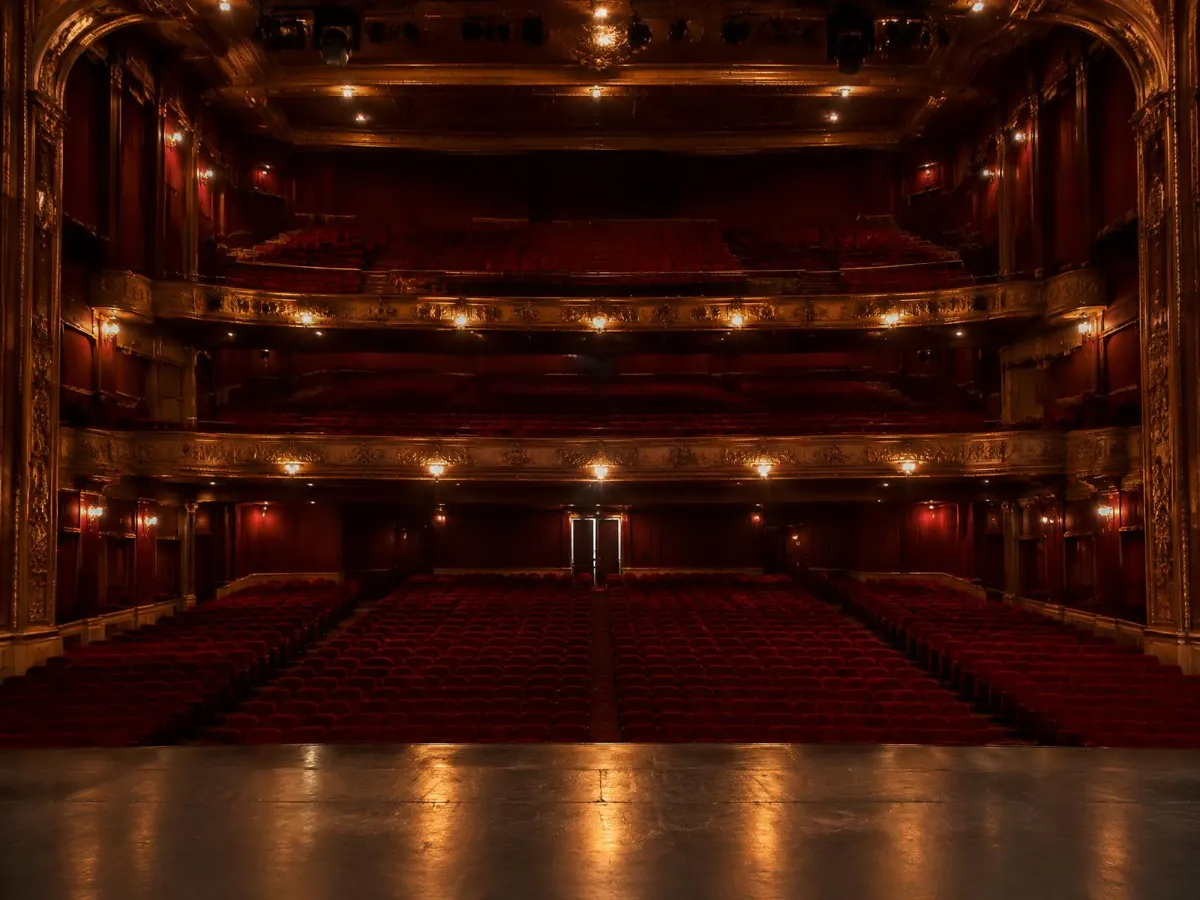
Financing theater production gaps involves securing short-term bridge loans or advances to cover immediate expenses before a show reaches full capitalization. These temporary funds allow producers to pay for venue deposits, creative fees, and marketing launches when investor capital is not yet fully liquid or when unexpected delays create a cash flow deficit.
Standing in the lobby of the Hudson Theatre during the early stages of a production, I remember the quiet tension that arises when the timeline for raising capitalization doesn't perfectly align with the hard deadlines of a production schedule. You have a star ready to sign and a theater owner holding a date, but the final tranches of investment are still being processed by legal teams. In these moments, the project faces a liquidity gap that can stall momentum. Whether I was working on 'Moulin Rouge! The Musical' or smaller developmental projects, the need for a financial bridge often became the difference between keeping a show on track and losing a vital window of opportunity.
The Mechanics of Theatrical Bridge Loans
A bridge loan in the theater world is a specific instrument designed to span the time between an immediate need for cash and the eventual availability of the full capitalization. Unlike long-term equity investment, these are debt-based or advance-based arrangements. They are typically repaid, often with interest or a 'kicker' (a small percentage of the producer’s points), once the offering is fully funded.
Producers often use these funds to secure the creative team or to pay for early advertising buys. The Broadway League’s annual reports often highlight the rising costs of pre-production, making these gaps more common as the scale of shows increases. It is important to distinguish this from the 'operating nut,' which refers to the weekly costs once the show is running. Financing a gap is strictly about the pre-opening phase.
When to Seek Short-Term Financing
Managing financial reality of Broadway investing requires a producer to know exactly when to pivot from equity fundraising to bridge financing. You don't take a loan for fun; you take it because the cost of waiting is higher than the cost of the capital. If you lose a specific theater—like the August Wilson or the Music Box—because you couldn't put down a deposit, the entire recoupment schedule for the show could be pushed back by a year or more.
Common scenarios for financing gaps include:
- Securing a theater lease before the full offering circular is cleared.
- Paying for a high-profile actor's contract deposit to ensure their availability.
- Funding a developmental lab or workshop to satisfy creative requirements.
- Covering unexpected legal or accounting fees during the formation of the LLC.
A bridge loan isn't just about the money; it’s about maintaining the velocity of the production when the paperwork is slower than the art.
Sue Gilad
Structuring the Repayment and Risk
The structure of these loans is vital. In my experience, especially when discussed in my work on broadway-partnership-agreement-negotiation, the most common arrangement is for the loan to be paid back as the 'first money out' once the capitalization reaches a certain threshold. The lenders are often existing lead producers or 'angel' investors who have a deep interest in seeing the show succeed and are willing to take the short-term liquidity risk.
Producers must be careful to account for these loans in the theatrical-offering-circular-definition. Full transparency with all investors is required. If a bridge loan is not repaid by the time the show opens, it can complicate the theatrical-profit-distribution-waterfall, leading to friction among the stakeholders. Always ensure the interest rates and terms are documented clearly to avoid creative team conflict later.
Steps to Secure Theatrical Gap Financing
- 01
Identify the Specific Need
Calculate the exact amount needed to reach the next major milestone, such as a load-in or a workshop date.
- 02
Draft a Short-Term Note
Work with theatrical counsel to create a loan agreement that specifies repayment terms and any potential equity upside for the lender.
- 03
Approach Inner-Circle Investors
Start with those already committed to the project who understand the immediate urgency and the long-term potential.
- 04
Update Capitalization Records
Ensure the bridge loan is reflected in the production's financial statements and repaid immediately upon full funding.
The Impact on Recoupment and Investor Relations
While bridge loans solve immediate problems, they add to the total cost of bringing a show to the stage. Any interest paid on a loan increases the capitalization budget, which in turn extends the time needed for recoupment. As a producer, your goal is always to keep the 'nut' as lean as possible without sacrificing the quality of the production.
In the book 'The Business of Broadway' by Mitch Weiss and Perri Gaffney, the complexity of these financial layers is detailed extensively. It reminds us that every dollar borrowed today must be earned back at the box office tomorrow. Therefore, gap financing should be used as a scalpel, not a sledgehammer—targeted, precise, and with a clear exit strategy. When used correctly, it is a sophisticated tool that allows Broadway’s most ambitious projects to move forward even when the financial gears are still turning.
Frequently asked
Questions about this piece
Related reading
More notes from the wings
Producer
Understanding Broadway Weekly Grosses
Learn how to analyze Tuesday grosses like a professional producer, moving beyond capacity percentages to understand ticket yield and long-term show health.
October 6, 2026·8 min read

Producer
What is a Producer in Theatre Beyond the Money?
Producing is more than a checkbook; it is the art of assembly. From casting approvals to marketing pivots, learn what a producer in theater actually does to bring a show to life.
October 4, 2026·7 min read
Producer
How Do Theater Producers Get Paid: Fees & Myths
Understanding how theater producers get paid requires looking past the glamour to the line items: production fees, office charges, and the long-term reality of royalty pools.
October 3, 2026·7 min read