Notes from the Wings/Producer
When the Curtain Rises: An Auditor’s View of Opening Night
Beyond the red carpet and the flashbulbs, opening night is the final act of a producer’s primary labor.

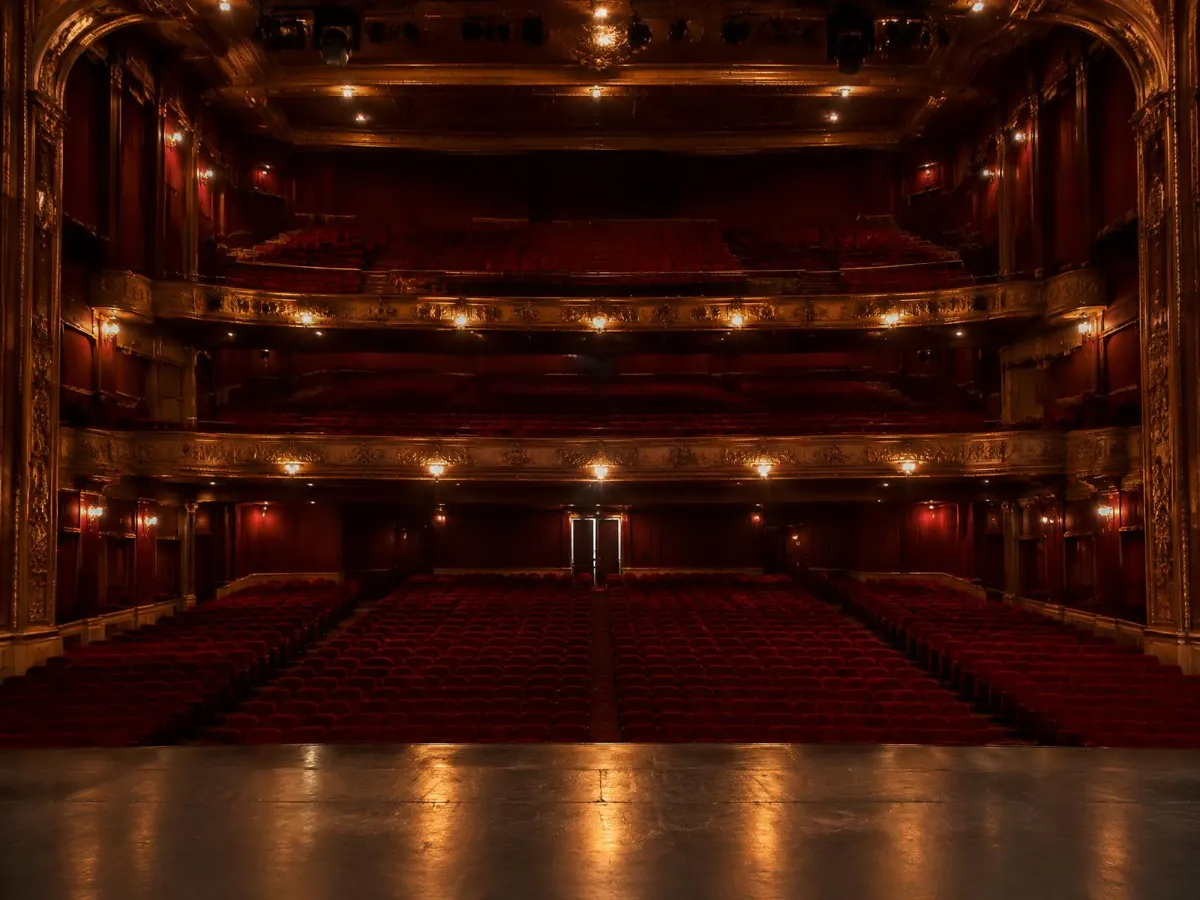
The air in the lobby of the August Wilson Theatre on an opening night has a specific weight to it. It smells of expensive perfume, damp wool, and the faint, metallic scent of floor wax. In 2019, as we prepared for the opening of Slave Play, I stood near the back of the house, watching the guests stream in. There is a frantic energy to the room—a mix of high-stakes anticipation and the quiet realization that, as of 8:00 PM tonight, the show no longer belongs to the producers.
For months, we have obsessively tracked the capitalization, sat through grueling tech rehearsals in stiff seats, and watched every preview performance with a notepad in hand. We’ve discussed the minute timing of a light cue or the specific shade of a costume under the LEDs. But when the house lights dim on opening night, the producer’s notebook is closed. The creative team has done their work, and the actors are now the sole stewards of the story.
The Shift from Management to Stewardship
Many people assume opening night is the beginning. In reality, it is the conclusion of the most intensive phase of production. Once the reviews are filed and the gala toast is made, the role of the producer shifts from building the machine to maintaining it. We move from the frantic pace of the rehearsal room to the steady, calculated rhythm of monitoring weekly grosses and managing the long-term health of the production.
On opening night, you aren't just launching a play; you are releasing a piece of collective labor into the wild to see if it can breathe on its own.
Sue Gilad
I remember the opening of Moulin Rouge! The Musical at the Al Hirschfeld Theatre. The spectacle on stage was matched only by the intensity behind the scenes. As a producer, you aren't listening to the music the way the audience does; you are listening to the house. You feel the physical response of the room—the collective intake of breath, the shifts in seats, the silence that signals a point has landed. You are measuring the connection between the art and the commerce in real-time.
The Producer’s Opening Night Rituals
While every production is different, the mechanics of the night remain consistent. If you are stepping into this role for the first time, or if you are curious about what happens behind the step-and-repeat, here is how the evening typically unfolds for the producing team:
- The Walk-Through: Arriving early to check in with the company manager and house manager, ensuring the physical space is ready for a high-profile crowd.
- The Gift Cycle: Delivering 'opening night' tokens to the cast, crew, and creative team—a tradition that acknowledges the invisible labor of the technical staff.
- The House Watch: Standing at the back of the auditorium for the first twenty minutes to gauge the audience energy before retreating to the lobby or a nearby office.
- The Transition: Mentally moving from the 'creative' mindset of previews into the 'operational' mindset required for the run of the show.
The takeaway for any aspiring producer is this: opening night is not about you. It is the moment you hand the keys over to the company and the audience. Your job tonight is to be the host, the witness, and the steady hand that ensures the party celebrates the work without distracting from it.
Opening night marks the moment a show begins its life as an asset and a cultural touchstone. It is the end of the beginning. From here, we look toward recoupment and the legacy the show will leave in the hearts of those who sit in those velvet seats.
Read more notes from the wings → /notes
Frequently asked
Questions about this piece
Related reading
More notes from the wings
Producer
Understanding Broadway Weekly Grosses
Learn how to analyze Tuesday grosses like a professional producer, moving beyond capacity percentages to understand ticket yield and long-term show health.
October 6, 2026·8 min read

Producer
What is a Producer in Theatre Beyond the Money?
Producing is more than a checkbook; it is the art of assembly. From casting approvals to marketing pivots, learn what a producer in theater actually does to bring a show to life.
October 4, 2026·7 min read
Producer
How Do Theater Producers Get Paid: Fees & Myths
Understanding how theater producers get paid requires looking past the glamour to the line items: production fees, office charges, and the long-term reality of royalty pools.
October 3, 2026·7 min read