Notes from the Wings/Author & Editor
What 1,200 Books Taught Me About Producing Broadway
Twenty-five years editing manuscripts and twenty-five years producing Broadway shows aren't two separate careers. They're the same instinct, applied twice.
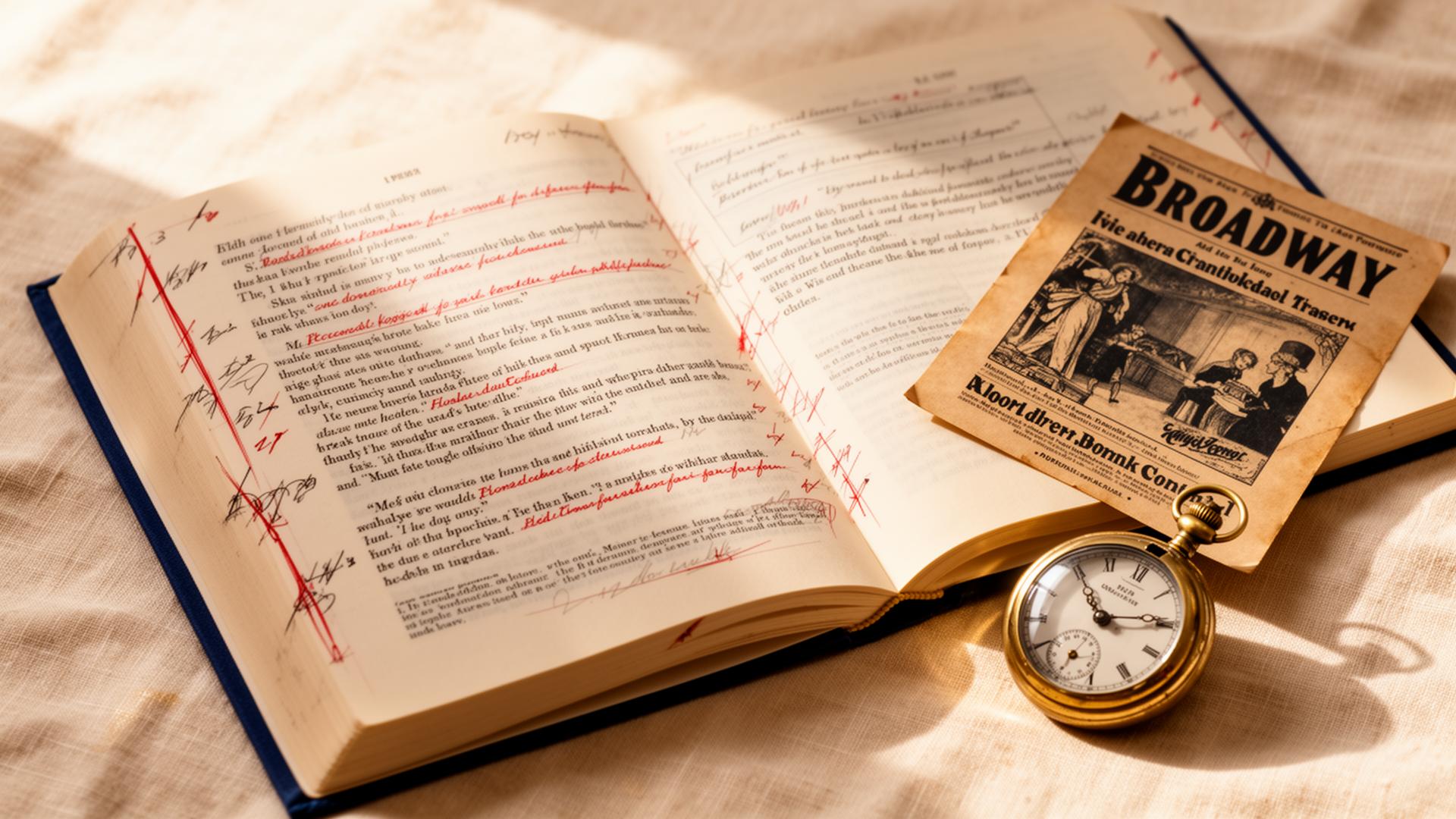
Before there was a stage, there was a desk. Before there were Tony Awards, there were red pens, manuscript margins, and the particular satisfaction of finding the sentence that wasn't working and fixing it.
I started proofreading to support myself as an actor. What began as a side job became a genuine second career, eventually growing into editing and copyediting work for some of the largest publishers in the country: Random House, Simon & Schuster, John Wiley & Sons, St. Martin's Press, Oxford University Press, Workman Publishing, Kensington Publishing. Over the years, I touched more than 1,200 titles.
Producing Broadway shows and editing books look like entirely different worlds. One happens on a stage in front of thousands of people. The other happens silently, alone, with a manuscript and a pencil. But the instinct underneath both is identical: does this story work, and if not, what does it need?
Structure is structure, whether it's on a page or a stage
When I edit a manuscript, I'm not just checking grammar. I'm asking whether the pacing holds, whether the reader's attention will drift, whether the ending earns what came before it. Those are the exact same questions I ask when I'm evaluating a script for Broadway production. A musical that drags in the second act has the same problem as a novel that loses momentum at the 200-page mark. The diagnosis is identical even though the medicine looks different.
Editors and producers do the same invisible work
Nobody buys a ticket because of the editor, and most audiences never think about who shaped a script before it reached the stage. That's by design. Good editing, like good producing, is invisible when it works. You only notice it when it's missing.
Good editing, like good producing, is invisible when it works. You only notice it when it's missing.
Sue Gilad
This is something I talk about often when I'm speaking to business audiences about creativity and leadership. The best work in any creative field is usually shaped by people whose names the audience never learns. Learning to be comfortable in that role, doing essential work without needing credit for it, is one of the most valuable lessons either career taught me.
Why I never stopped editing
People sometimes ask why I kept editing books once Broadway became successful. The honest answer is that I never wanted to choose. Editing keeps me sharp in a way that producing doesn't. It's solitary where producing is collaborative. It's quiet where producing is loud. Having both in my life has made me better at each one.
How the Two Careers Reinforce Each Other
- 01
Pattern recognition
After 1,200 books, you start to see story problems before you can fully articulate why something is wrong. That same pattern recognition is what tells me, within the first ten pages of a script, whether a show has the bones to become something special.
- 02
Patience with revision
Books go through multiple rounds of editing before publication. Broadway shows go through readings, workshops, out-of-town tryouts, and previews. Both careers taught me that the first draft is never the final draft, and that's not a failure, it's the process.
- 03
Respect for the reader (or audience)
An editor's job is to serve the reader, not the writer's ego. A producer's job is to serve the audience, not the creative team's preferences. Both require setting aside what you personally find interesting in favor of what will actually land.
Frequently asked
Questions about this piece
Related reading
More notes from the wings

Author & Editor
How I Built a Second Career Editing for Random House While Producing Tony Winners
Two full-time careers, running at once, for twenty-five years. Here's how that actually worked.
June 5, 2026·6 min read
Producer
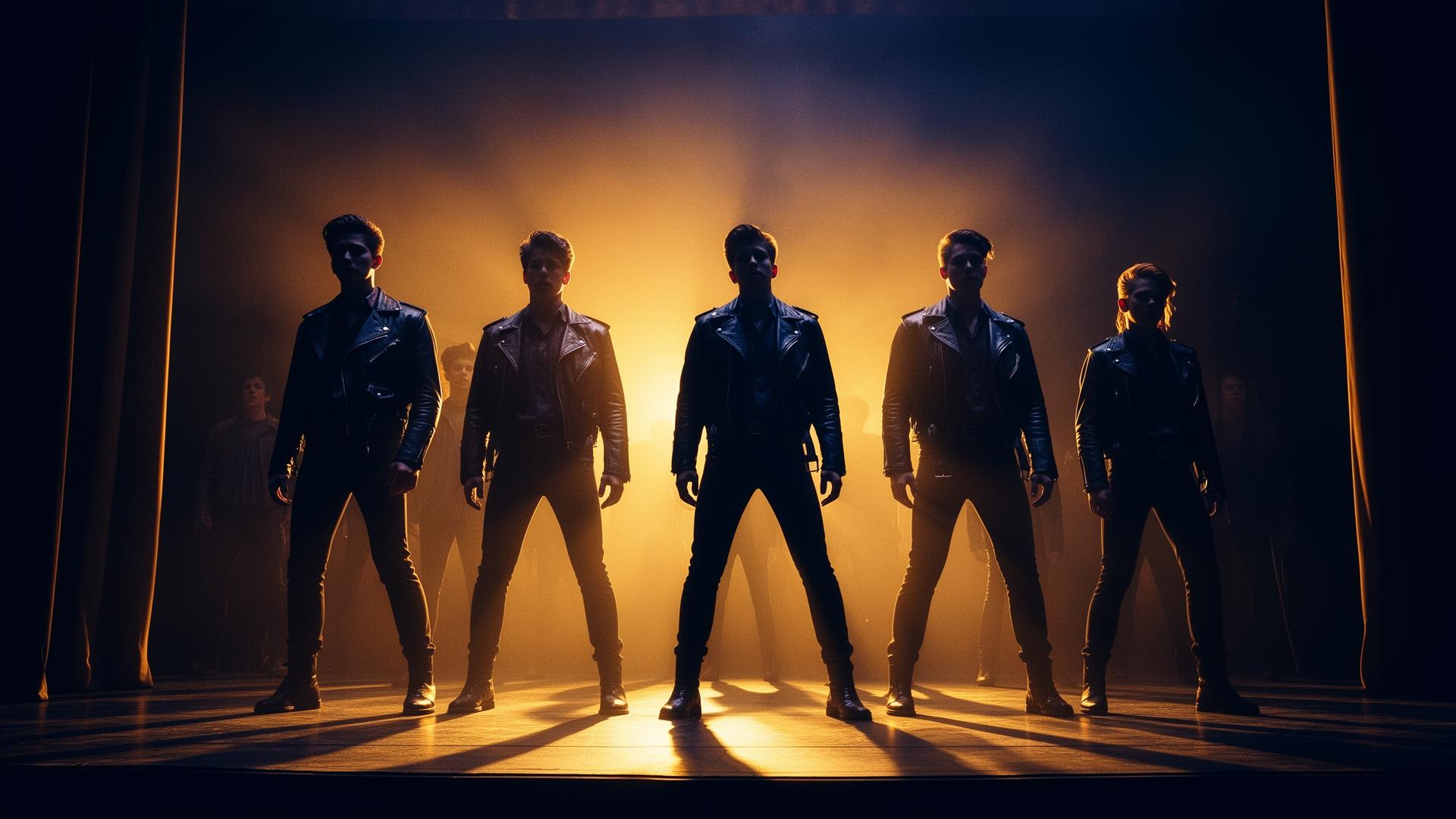
Inside The Outsiders: From Tulsa to Tony Award
How a 1967 coming-of-age novel about teenage greasers in Tulsa became the 2024 Tony Award winner for Best Musical.
June 12, 2026·7 min read
Speaking
Why Every Business Leader Should Spend a Day Backstage
What I learned creating YPO Broadway: Behind the Curtain — an executive program that uses theatre as a leadership classroom.
June 8, 2026·5 min read