Notes from the Wings/Producer
Broadway Production Brand Value Beyond the Box Office
A strategic analysis of how a Broadway run establishes long-term assets and global licensing potential even before recoupment.
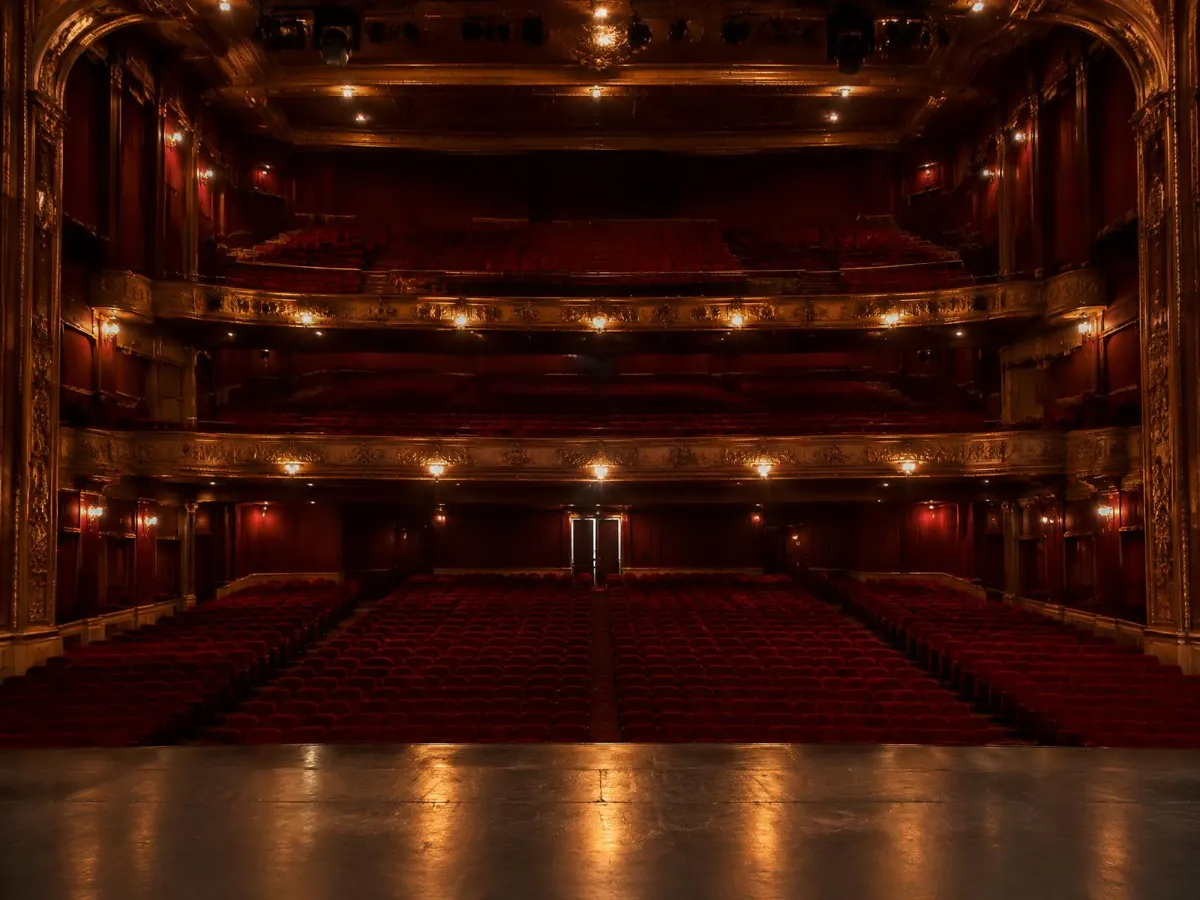
Broadway production brand value is the measurable prestige and intellectual property equity a show gains by playing a sanctioned Broadway house, which serves as a global launchpad for licensing, international tours, and ancillary revenue. While the industry fixates on the moment of recoupment, the true ROI often resides in the show’s life after the New York run, where the 'Broadway' stamp acts as the ultimate seal of quality for global markets.
The lobby of the St. James Theatre during the run of *Into the Woods* in 2022 was a masterclass in this philosophy. People weren't just buying seats for a two-hour experience; they were engaging with a property that had been carefully re-vetted for a new generation. When I walk into a production meeting, the conversation almost always tilts toward the weekly grosses reported on Tuesday afternoons. But those numbers are a snapshot, not the full gallery. As a producer on shows like *Moulin Rouge! The Musical* and *The Outsiders*, I have seen firsthand how the New York run functions as an expensive, high-stakes trade show for the rest of the world. The brand value created on 44th Street is what allows a show to thrive in London, Hamburg, or Melbourne three years later.
The Broadway Run as a Global Marketing Campaign
Every night the lights stay on at a Broadway house, the show is accruing brand value. This value is what justifies the massive capitalization required to open. Think of the Broadway run not just as a retail operation, but as the world's most visible marketing campaign. When a show like *Jagged Little Pill* or *Company* plays New York, every review in the New York Times and every social media tag from an audience member serves to increase its value for regional theaters and international promoters.
In my experience, the 'Broadway Producer' title isn't just about managing the budget in the room; it’s about protecting the long-term integrity of the work. If we cut corners on the creative team or the physical production to save on running costs, we damage the brand’s ability to command high licensing fees later. According to the Broadway League’s annual reports, the secondary markets—touring and licensing—frequently outpace the original New York profits over a ten-year horizon. We are building assets, not just shows.
Diversifying Revenue Through Ancillary Streams
When evaluating the health of a production, we must look at the broadway ancillary income that flows from a strong brand. This includes cast recordings, merchandise, and even film/streaming rights. A show that closes without recouping its initial investment in New York might still be a massive financial success for its investors if the Broadway run functioned as a successful pilot for a global franchise.
The Strategic Value of 'The Stamp'
The 'Original Broadway Production' credit is a permanent asset. When I work with emerging authors through author mentorship, I often explain that a story’s value is dictated by its pedigree. The same is true for a musical. A theatre in Nebraska or a producer in Tokyo is looking for a proven commodity. The Broadway run provides the proof of concept, the marketing materials, and the critical consensus that makes the property 'bankable' in territories where the audience hasn't seen the show yet.
A show's life doesn't end when the marquee goes dark; for a well-managed brand, that’s just the moment the global revenue truly begins to scale.
Sue Gilad, Producer
Factors That Determine Long-Term Brand Equity
- Critical reception and Tony Award nominations which validate quality to international promoters.
- The 'Cast Album effect' which builds a fan base in territories before a tour ever arrives.
- Scalability of the production design for regional and touring houses.
- Social media engagement and 'virality' that proves the show resonates with modern demographics.
- The strength of the underlying IP, such as a beloved book or movie.
Sustainable Producing for the Long Haul
Shifting the focus from weekly profits to brand value requires a different kind of leadership. It means making decisions that favor the show’s reputation even when it hurts the weekly burn rate. It might mean staying open through a slow January to reach the Tony season, because the brand value of those nominations is worth more than the $200,000 lost in the winter. As I’ve discussed in my work on creative leadership, this is about the long game.
We are stewards of intellectual property. Whether I am producing on Broadway or working on philanthropy ventures to support the next generation of artists, the goal is always to create something that lasts. When we measure success purely by the grosses, we miss the forest for the trees. The forest is the enduring life of the show, decades after the final curtain falls on Broadway.
Frequently asked
Questions about this piece
Related reading
More notes from the wings
Producer
Understanding Broadway Weekly Grosses
Learn how to analyze Tuesday grosses like a professional producer, moving beyond capacity percentages to understand ticket yield and long-term show health.
October 6, 2026·8 min read

Producer
What is a Producer in Theatre Beyond the Money?
Producing is more than a checkbook; it is the art of assembly. From casting approvals to marketing pivots, learn what a producer in theater actually does to bring a show to life.
October 4, 2026·7 min read
Producer
How Do Theater Producers Get Paid: Fees & Myths
Understanding how theater producers get paid requires looking past the glamour to the line items: production fees, office charges, and the long-term reality of royalty pools.
October 3, 2026·7 min read