Notes from the Wings/Producer
Producer Etiquette in the Rehearsal Room: A Masterclass
Learn how to navigate the delicate dynamics of the rehearsal studio while supporting your creative team without overstepping your bounds.
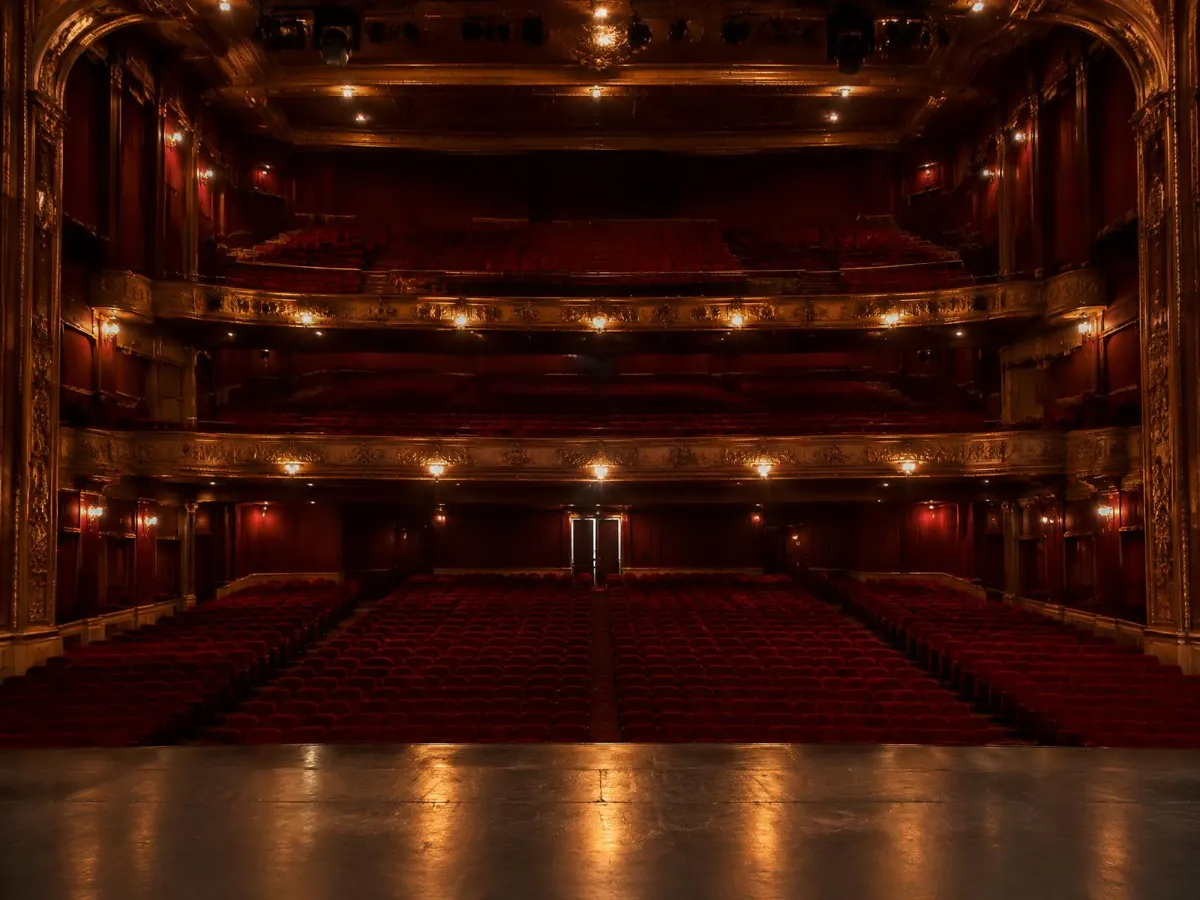
Producer etiquette in the rehearsal room requires a balance of active observation and strategic silence to maintain a safe environment for the creative process. High-level producer etiquette involves respecting the hierarchy, offering support only when requested by the director, and ensuring the actors feel secure enough to take the creative risks necessary for a successful production.
The air in a rehearsal studio at 890 Broadway or the New York City Center studios is thick with something more than just floor wax and coffee. It is thick with vulnerability. I remember sitting in the corner during the early days of 'The Outsiders' on Broadway, watching our director, Danya Taymor, work through a complex sequence. My job in that moment wasn’t to fix a lyric or suggest a blocking change. My job was to be the 'calm in the room'—the presence that ensures the creative team has precisely what they need to fail safely until they find what works.
The Hierarchy of the Room
One of the first lessons in my book, or during any broadway producing 101 session, is that the rehearsal room is the director’s kingdom. While the producer is the CEO of the entire entity, inside those four walls, you are a guest. This distinction is vital for long-term health in theatrical production partnerships. If you have a thought about a performance or a pacing issue, you never shout it out from the table. You wait for a break, or better yet, you save it for the evening production meeting.
Maintaining this hierarchy isn't about ego; it’s about clarity. If an actor receives feedback from both a director and a producer simultaneously, the creative focus fractures. According to The Broadway League, the producer’s primary role during this phase is oversight of the capitalization and timeline, which is best served by listening more than speaking.
Active Listening and Psychological Safety
Psychological safety is the bedrock of a hit show. In my experience producing 'Moulin Rouge! The Musical', I saw firsthand how a massive, high-stakes environment still requires the intimacy of trust. Actors need to know that if they try something bold and it doesn't land, the person holding the checkbook isn't going to pull the rug out from under them. Your presence should feel like a safety net, not a surveillance camera.
Your presence in the room should be a steadying force. If the producer is panicking, the room is panicking. Our job is to hold the container so the artists can fill it.
Sue Gilad
A Practical How-To for Rehearsal Attendance
Protocol for the Professional Producer
- 01
Enter and Exit Quietly
Never interrupt a scene in progress. If you must enter late, do so during a transition or a water break to avoid breaking the actors' concentration.
- 02
The Table Rule
If there is a dedicated producer's table, use it. If not, sit behind the creative team. Never sit in the front row where your facial expressions can distract the performers.
- 03
Direct Communication
All notes go to the Lead Producer or the Director. Never give a note directly to an actor or a designer in the room.
- 04
Phone Usage
Keep your phone away. Even if you are answering urgent emails about [recoupment](/glossary/recoupment), the cast sees a producer on their phone as someone who is bored or disinterested.
Navigating Conflict with Leadership
Tensions inevitably rise during the '10-out-of-12' marathons or tech rehearsals. Understanding theatrical conflict resolution for leaders means knowing when to step in and when to let the creative team resolve it themselves. If you notice a breakdown in communication between the director and the stage management (often represented by ATPAM members), your role is to facilitate a private conversation outside the room.
I often think back to the process of developing new work, where the script is still being written while the actors are learning the lines. In these moments, the producer mindset switches to one of radical support. Are they hydrated? Do they have enough space? Is the room too cold? These logistical details are your way of contributing to the art without touching the canvas.
The Ethics of Observation
- Be the most engaged person in the room—energy is contagious.
- Respect the 'closed rehearsal' sign; if the director asks for privacy to work on a sensitive scene, leave without taking it personally.
- Acknowledge the swings and understudies; they are the backbone of the production.
- Save the 'business talk' for the hallway or the production office.
In the end, producer etiquette in the rehearsal room is about humility. You are the steward of the production's future, but in that studio, you are a witness to the birth of something fragile. By mastering the art of the 'Producer’s Seat,' you ensure that the show transitions from the studio to the stage with its soul intact. If you are interested in the broader scope of leadership, consider applying the producer mindset beyond the proscenium to other areas of business and life.
Frequently asked
Questions about this piece
Related reading
More notes from the wings
Producer
Understanding Broadway Weekly Grosses
Learn how to analyze Tuesday grosses like a professional producer, moving beyond capacity percentages to understand ticket yield and long-term show health.
October 6, 2026·8 min read

Producer
What is a Producer in Theatre Beyond the Money?
Producing is more than a checkbook; it is the art of assembly. From casting approvals to marketing pivots, learn what a producer in theater actually does to bring a show to life.
October 4, 2026·7 min read
Producer
How Do Theater Producers Get Paid: Fees & Myths
Understanding how theater producers get paid requires looking past the glamour to the line items: production fees, office charges, and the long-term reality of royalty pools.
October 3, 2026·7 min read