Notes from the Wings/Philanthropy
What Makes a Scholarship Worth Applying For
Why I started two scholarships with very different rules, and what I wish more students knew before they apply.
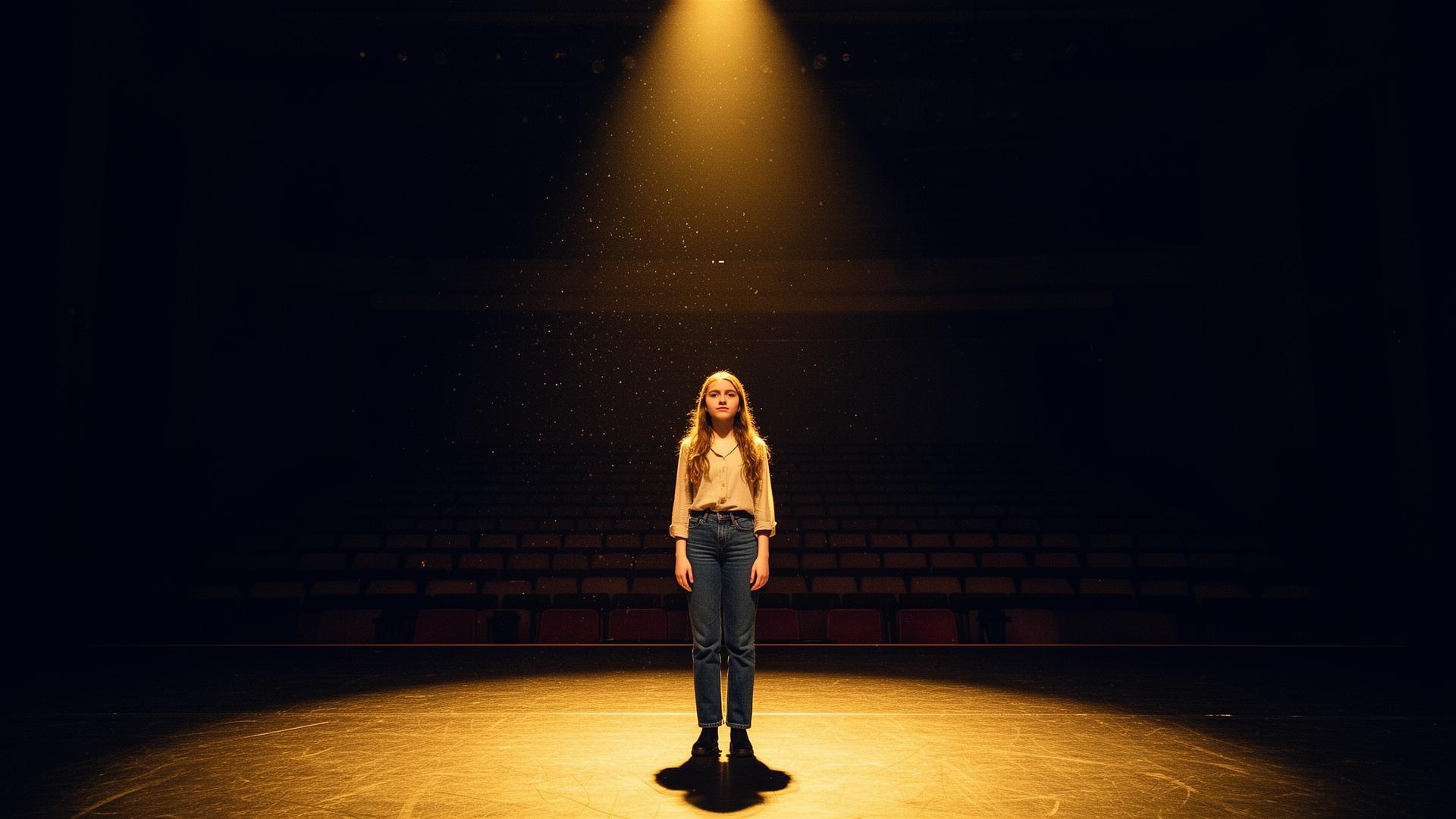
I started the Suzanne Gilad Grant and the Sue Gilad & Larry Rogowsky Theatre Scholarship for two different reasons, and I designed them with two very different sets of rules on purpose.
The Suzanne Gilad Grant is open to students in any major, with a 3.0 GPA requirement, because I believe talent and ambition show up in every discipline, not just the arts. The Theatre Scholarship, created with my producing partner Larry Rogowsky, has no essay and no minimum GPA, because we wanted to remove the barriers that often keep passionate theatre students from applying at all.
Why no essay for the theatre scholarship
Essay requirements quietly filter out students who are excellent performers, designers, or technicians but who don't test well in formal writing. Theatre is a discipline built on doing, not writing about doing. We wanted a scholarship that reflected that.
What I actually look for
Across both scholarships, the qualities that stand out have very little to do with polish. I'm looking for:
- Genuine specificity. A student who can describe exactly what excites them about their field, rather than general statements about passion or dedication.
- Evidence of initiative. Did they start something, fix something, teach themselves something, without being asked?
- A clear sense of what comes next. Not a rigid five-year plan, but a real sense of direction.
How to Strengthen a Scholarship Application
- 01
Be specific, not impressive
A precise story about one rehearsal, one scene, one moment of figuring something out, says more than a list of accomplishments.
- 02
Show initiative beyond what was required
Scholarship readers see hundreds of applications that list what students were assigned to do. The ones that stand out describe what they did on their own.
- 03
Don't perform passion, demonstrate it
Specific examples of time spent, problems solved, or things built are more convincing than enthusiastic language.
- 04
Follow instructions exactly
It sounds basic, but applications that ignore word counts or skip required fields are filtered out immediately, regardless of quality.
Why I keep doing this every year
Arts education and access are causes I care about deeply, not as a gesture but as something I've watched make a real difference in individual lives. Every application I read is a reminder that talent is everywhere; access isn't. These scholarships are a small attempt to close that gap.
Talent is everywhere; access isn't. These scholarships are a small attempt to close that gap.
Sue Gilad
Frequently asked
Questions about this piece
Related reading
More notes from the wings

Author & Editor
What 1,200 Books Taught Me About Producing Broadway
Twenty-five years editing manuscripts and twenty-five years producing Broadway shows aren't two separate careers. They're the same instinct, applied twice.
June 15, 2026·6 min read

Speaking
Why Every Business Leader Should Spend a Day Backstage
What I learned creating YPO Broadway: Behind the Curtain — an executive program that uses theatre as a leadership classroom.
June 8, 2026·5 min read
Philanthropy
Individual Artist Scholarship Philanthropy Guide
Theater philanthropy often prioritizes physical structures, but the real opportunity gap lies in human capital. Learn how shifting your focus to individual scholarships can change lives.
October 3, 2026·8 min read